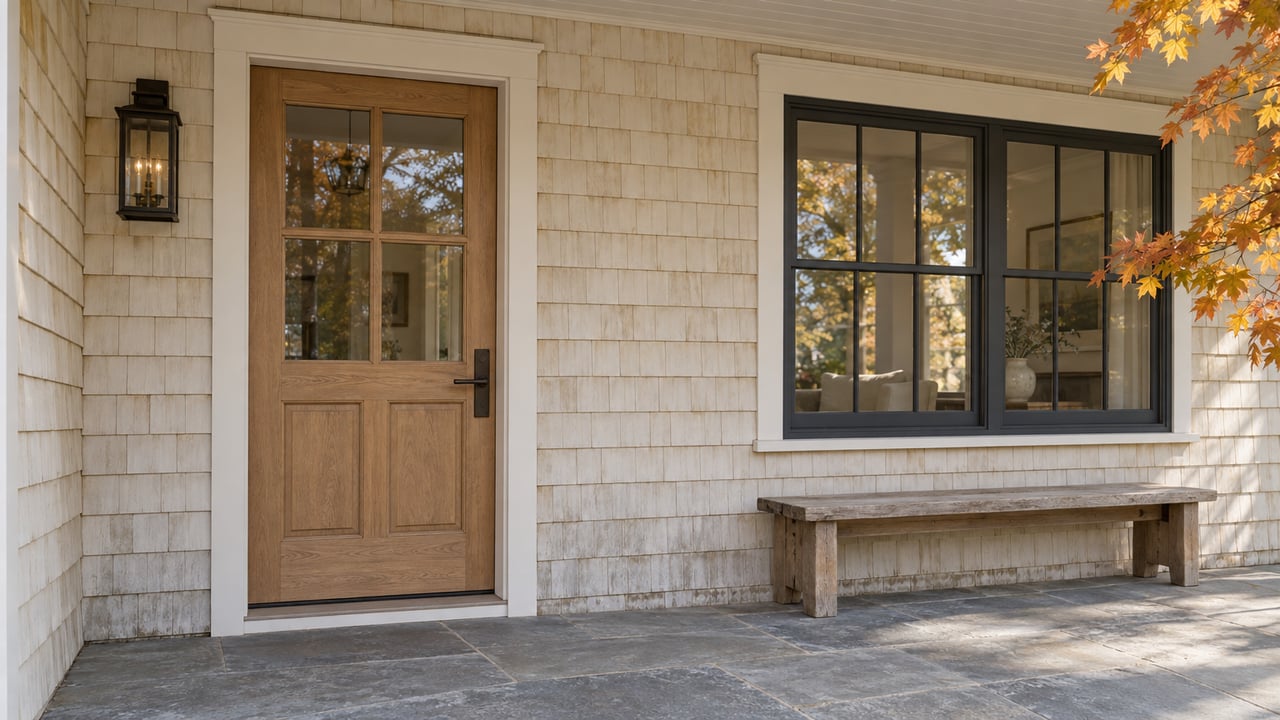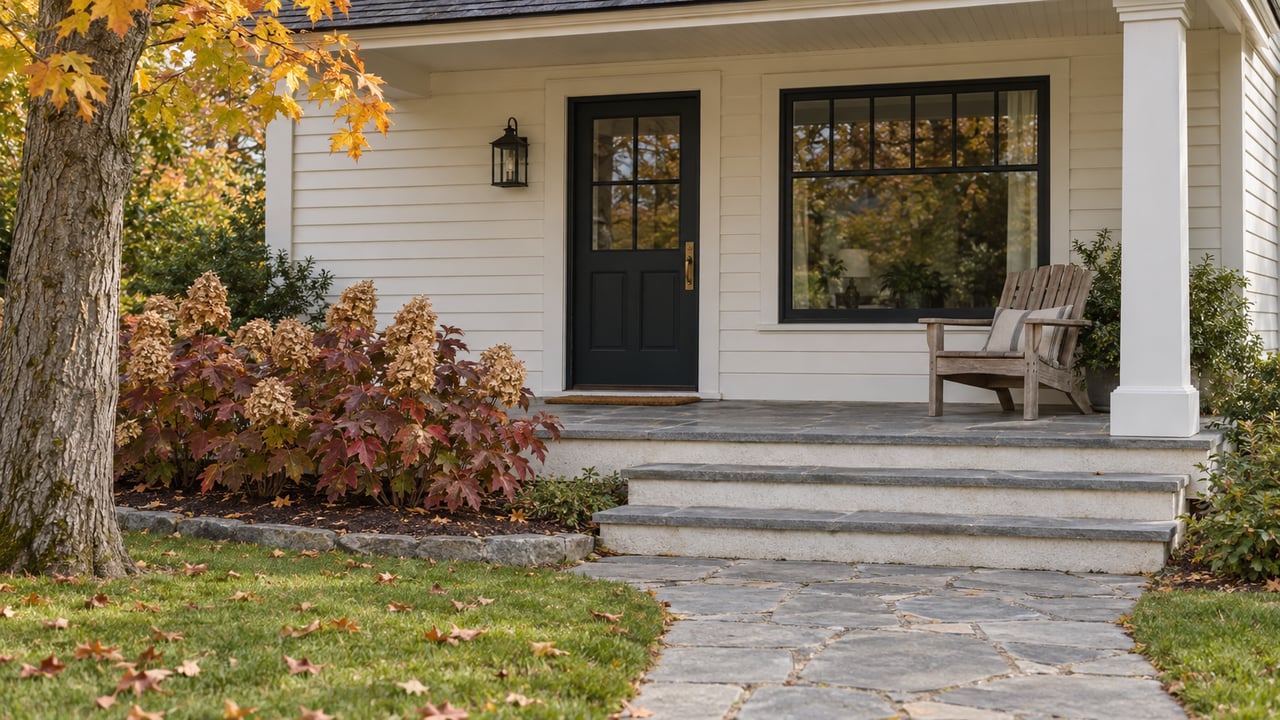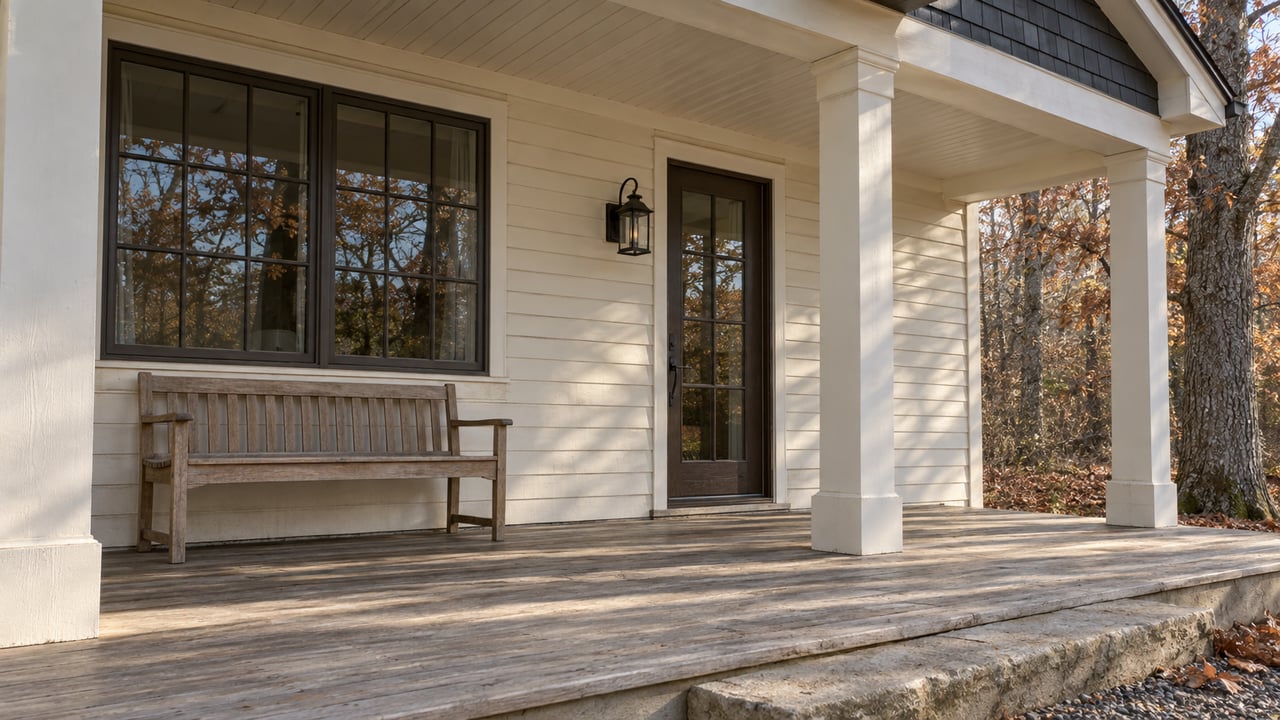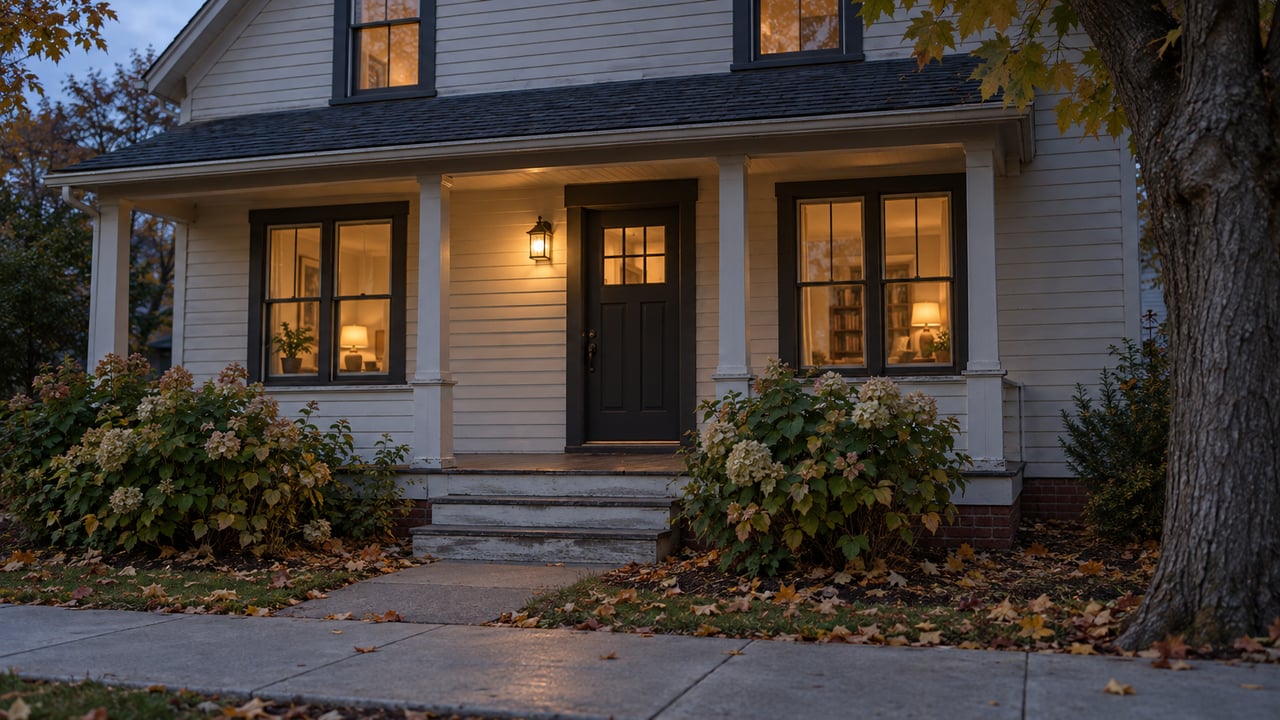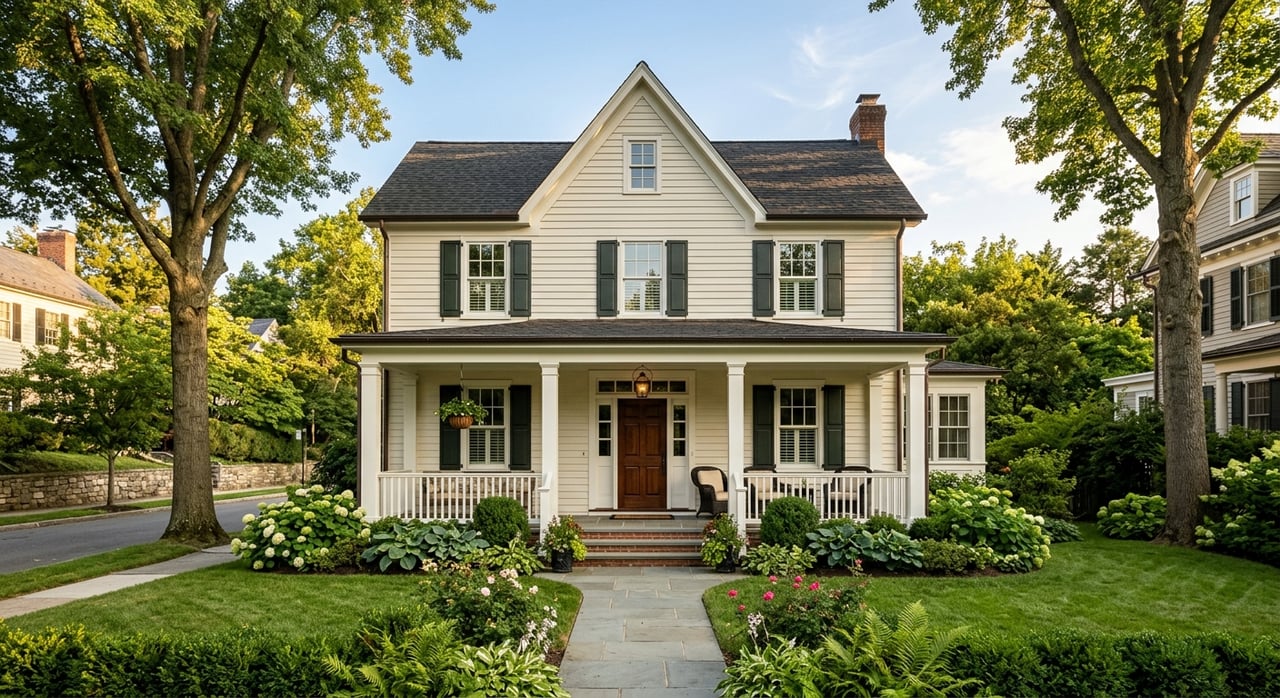
If you own a historic home in Allegan, pricing it can feel tricky. You are not just selling square footage and bedroom count. You are also selling craftsmanship, setting, condition, and the kind of character buyers notice the moment they step onto the porch. The good news is that with the right pricing and positioning strategy, you can present your home in a way that respects its history and meets today’s market. Let’s dive in.
Why historic homes price differently
Historic homes in Allegan have a value story that often goes beyond typical market averages. According to the National Register documentation for Allegan, the city is known for its strong 19th-century character, with notable historic housing in areas such as Pritchard’s Outlook and the Marshall Street Historic District.
That housing stock includes styles like Greek Revival, Gothic Revival, Italianate, Queen Anne, Neoclassical Revival, Craftsman, and bungalow forms. For buyers, that means details like original trim, porches, windows, staircases, and proportion can matter almost as much as the basic numbers on a listing sheet.
In practical terms, your home may not fit neatly into a standard pricing formula. A well-kept historic property with strong curb appeal and intact character features may attract more interest than a similar-sized home without those qualities. At the same time, deferred maintenance can stand out quickly.
Start with nearby Allegan comps
In Allegan, pricing a historic home should begin with nearby comparable sales, not a single broad market headline. Recent Realtor.com market data for Allegan shows 85 homes for sale, a median list price of $349,900, median days on market of 62, and a 98% sales-to-list-price ratio.
At the same time, Redfin’s city page as cited in the research report showed a median sale price of $360,000 and homes going pending in around five days. Since those figures come from different samples and definitions, the clearest takeaway is simple: your list price should be built from relevant nearby sales and thoughtful condition adjustments.
That matters even more in a smaller, segmented market like Allegan. A historic home on a well-known street with preserved architectural detail may appeal to a different buyer than a newer home nearby. You want to compare your property to homes that compete for the same buyers, not just homes with similar square footage.
Understand today’s demand
The broader county market points to steady buyer activity. WMLAR housing statistics reported Allegan County sales rose 11.1% in 2024, with a median price of $318,500, and later reported that November 2025 sales were up 7.3% year over year with a median price of $367,500.
That kind of demand can help a well-positioned historic home. Still, active buyers also tend to compare condition closely, especially when they are looking at older properties. If your home feels loved, maintained, and easy to understand, you are in a better position to justify your asking price.
Price character, but do not ignore condition
Character adds value, but condition supports it. Buyers may love original woodwork, tall windows, and a gracious front porch, yet many will still hesitate if the roof, paint, or visible maintenance items feel like immediate projects.
The 2025 NAR Remodeling Impact Report found that 46% of home buyers are less willing to compromise on condition. REALTORS® also said the top projects to recommend before selling are painting the entire home, painting one room, new roofing, kitchen upgrades, and bathroom renovation.
For historic homes, this does not mean you need to strip away original character and make everything look new. It means you should focus on the improvements that help buyers feel confident, comfortable, and less overwhelmed.
Focus on the updates buyers notice most
Before listing, it helps to separate high-impact work from expensive distractions. In many Allegan historic homes, the strongest return comes from visible maintenance, fresh presentation, and updates that support everyday function.
Here are the improvements most worth reviewing before you list:
- Interior or whole-home paint where finishes feel tired
- Roof condition and any signs of active wear
- Kitchen updates that improve function without removing character
- Bathroom updates that feel clean, bright, and usable
- Exterior maintenance that makes the home feel cared for
For an older house, visible upkeep often does more for buyer confidence than a dramatic remodel. If you are deciding where to spend time and money, start with the areas buyers will notice first in photos, showings, and inspections.
Protect the home’s original appeal
When you prepare a historic Allegan home for sale, preserving character matters. The National Park Service guidance on weather protection emphasizes keeping roofs and gutters weather-tight, repairing leaks, caulking or repointing around openings, repainting wood, metal, or masonry surfaces as needed, and keeping vegetation away from the house.
That advice lines up well with what today’s buyers want to see. A home that looks dry, solid, and well maintained feels easier to own. In many cases, careful exterior maintenance and a clean presentation will do more for your sale than replacing original details that made the home special in the first place.
If a project involves windows, masonry, or other character-defining materials, specialized advice can be worth it. The National Park Service window guidance notes that when historic windows truly need replacement, the new feature should match the old in design, color, texture, and, where possible, materials.
Verify local requirements before changes
If you are considering exterior updates before listing, it is smart to confirm any property-specific rules first. Allegan’s current online code library notes that Chapter 13 is reserved and that the zoning chapter adopts the zoning ordinance by reference.
For sellers, that means it is wise to verify local requirements before making changes that affect exterior character features. A quick check upfront can help you avoid spending money on work that may not fit the property’s context or local expectations.
Position the home with a clear story
A historic home usually sells best when buyers understand what makes it distinctive. In Allegan, that story can be rooted in architecture, setting, and preserved detail. The city’s documented historic housing stock gives you a strong framework for presenting your home in a way that feels specific and grounded.
Instead of marketing the property as simply old or charming, focus on what a buyer can actually see and appreciate. That may include scale, porch presence, original trim, window patterns, staircase details, materials, or the way the home fits into its streetscape.
This kind of positioning helps buyers connect the asking price to the experience of the home. It also makes your listing more memorable in a market where many homes may blur together online.
Use photography to support value
Strong visuals are especially important for historic homes. The 2025 NAR Profile of Home Staging found that 83% of buyers’ agents said staging makes it easier for buyers to visualize a property as a future home.
That same report found photos were rated much more or more important by 73% of buyers’ agents, compared with 57% for traditional staging, 48% for videos, and 43% for virtual tours. The most important rooms to stage were the living room, primary bedroom, and kitchen.
For your Allegan historic home, that means clean, well-lit photography should be a priority. Buyers need to see the rooms that carry the home’s personality, but they also need to see that the property feels functional, bright, and move-in ready.
Stage for warmth, not perfection
Historic homes do not need to feel over-styled. In many cases, simple staging works best because it gives buyers room to notice the features that already make the house special.
Focus first on these spaces:
- Living room
- Primary bedroom
- Kitchen
Keep surfaces clear, let natural light in, and avoid decor that competes with original woodwork, built-ins, fireplaces, or trim. The goal is to help buyers imagine daily life in the home while keeping the architecture front and center.
When specialists can help
Some pre-listing decisions deserve expert input. If your home has moisture concerns, aging masonry, older windows, roof issues, or signs of hidden system problems, bringing in the right specialist can help you make smarter choices.
Based on National Park Service guidance, specialists can be especially useful when a project affects historic materials or hidden building systems. A preservation-minded contractor, experienced inspector, mason, or historic design professional may help you solve the real issue without losing features buyers value.
That matters because not every repair should be approached like a standard cosmetic flip. For historic homes, compatibility and restraint can protect both appearance and market appeal.
A smart pricing mindset for Allegan sellers
If you are selling a historic home in Allegan, the goal is not to chase the highest headline number and hope the market agrees. The better strategy is to price around real nearby competition, account for condition honestly, and market the home’s character with clarity.
When pricing and positioning work together, buyers are more likely to understand the value from the start. That can lead to stronger interest, better showing activity, and a smoother path from listing to closing.
If you are thinking about selling and want a calm, strategic plan for pricing a distinctive home in Allegan or the surrounding Southwest Michigan market, Shanna Ax offers experienced, locally informed guidance tailored to your property and your goals.
FAQs
How should you price a historic home in Allegan, MI?
- Start with nearby comparable sales, then adjust for condition, architectural detail, location, and how well original features have been preserved.
What updates matter most before listing a historic Allegan home?
- Based on NAR research, buyers pay close attention to condition, so paint, roofing, kitchen improvements, bathroom updates, and visible maintenance are often the most important areas to review.
Should you remodel or preserve original details in an Allegan historic home?
- In many cases, preserving original character while addressing maintenance issues is the stronger strategy, especially when features like trim, windows, porches, and materials help define the home’s appeal.
Why do photos matter when selling a historic home in Allegan?
- Strong photography helps buyers understand both the home’s layout and its character, and NAR staging research shows photos are one of the most important marketing tools for buyer engagement.
Should you check local rules before changing a historic home’s exterior in Allegan?
- Yes. Before making exterior changes, it is wise to verify any property-specific or city-specific requirements through Allegan’s local code resources.